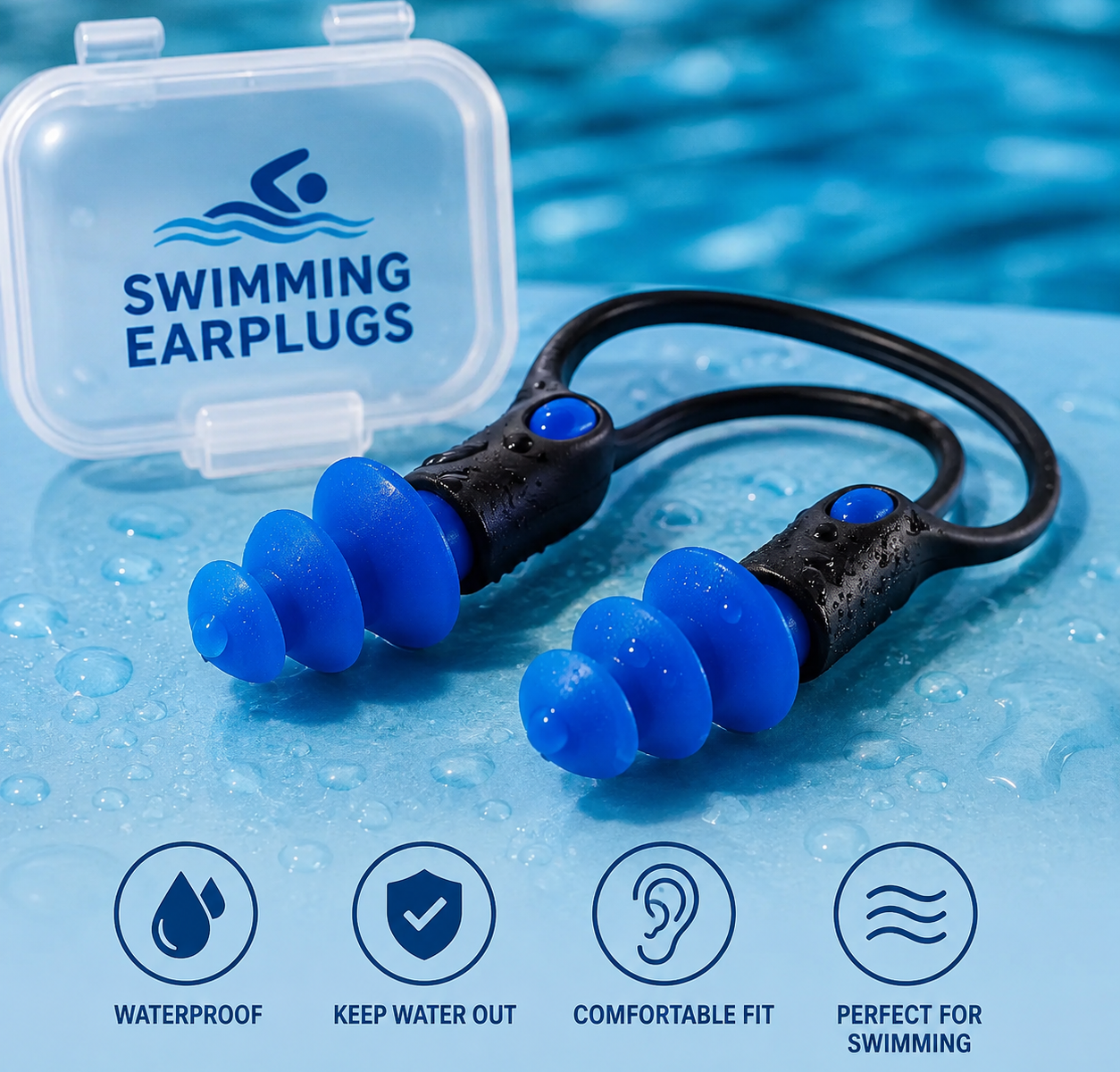
Swimming is an enjoyable way to stay active, relax and improve overall fitness. However, water entering the ears can be uncomfortable and, for some swimmers, may contribute to ear irritation or infections. This is where swimming earplugs can be useful. Designed to help keep water out of the ear canal, Swimming Earplugs are available in several styles, materials and designs to suit different needs.
In 2026, swimmers can choose from traditional silicone plugs, mouldable options, ergonomic reusable designs and specialised earplugs for children and regular swimmers. Understanding the different types of swimming earplugs can help you select a comfortable option that provides the right level of protection.
What are Swimming Earplugs?
Swimming earplugs are protective materials that are designed to minimize the volume of water that gets into the ears during swimming, bathing or other activities that involve water. Swimming earplugs are typically made to seal around or into the ear, unlike regular foam earplugs, which are typically made to seal the ear with a water-resistant seal.
They can be particularly useful for people who swim regularly, children who are sensitive to water in their ears and swimmers who desire extra protection against irritation by repeated contact with water.
The most appropriate swimming earplugs must be comfortable and fit well. They are also supposed to stay in position when in motion so that swimmers can focus on their activity without having to keep on changing their earplugs.
Main Types of Swimming Earplugs in 2026
Silicone Swimming Earplugs
Silicone earplugs remain one of the most popular choices for swimmers. They are soft, flexible and made to form a seal that prevents water to enter the ears.
Two popular types include pre-moulded silicone plugs and mouldable silicone plugs. The pre-moulded ones are in a fixed shape and the mouldable silicone can be manipulated around the outer ear to give a more custom fit.
Silicone swimming earplugs can be used by adults and children and can be reused in most cases provided they are washed and stored properly.
Mouldable Swimming Earplugs
Mouldable earplugs are manufactured using soft material which can be easily moulded to fit the shape of the outer ear. They do not go deep into the ear canal, but rather sit over it and create a seal.
This design can be a good choice for swimmers who feel uncomfortable with the normal in-ear plugs. They may also be applicable to children since they are mostly easy to place.
One important consideration is that Mouldable Earplugs need to be fitted carefully. They can be less effective when they do not fit well and are more prone to loosening during swimming.
Flanged Swimming Earplugs
Flanged earplugs have one or more soft, flexible rings or flanges, which are positioned inside or around the ear canal. The layer design aids in forming a seal and keeping the plug firmly in place.
These earplugs are usually composed of silicone or other elastic materials. Their rigid form allows them to be inserted easily as opposed to some of the mouldable ones.
Flanged swimming earplugs may be a good option in case of regular swimmers who prefer reusable ear protection and a constant fit.
Ergonomic Swimming Earplugs
Ergonomic earplugs are made in the form and shape of the ear. Contours may be used in the modern versions; the materials may be flexible and stabilising areas that ensure that the plugs remain in place.
They have the primary benefit of being comfortable when moving. This can render them appropriate to individuals who swim regularly or spend a lot of time in the water.
Certain Ergonomic Swimming Earplugs are specifically designed to fit active swimmers and can feature a low-profile design that minimizes drag and ensures that the earplugs are not easily knocked out.
Swimming Earplugs for Children
Properly sized swimming earplugs are often beneficial to children. The ears of children are smaller and therefore the products of adult size might not fit them comfortably and securely.
Swimming earplugs of kids are typically made of softer materials, smaller size and convenient shapes. Other models are also brightly coloured and are easier to spot and not as intimidating to young swimmers.
Instead of just picking the earplugs of the smallest size, parents need to choose earplugs that fit well. The earplug must be comfortable, safe and appropriate to the age and activity of the child.
Custom-Moulded Swimming Earplugs
Earplugs are custom-moulded to fit the ears of an individual. The ear is scanned to make an impression, which enables the manufacturer or expert to design an individual product.
The primary advantage is a personalised fit. This may render custom swimming earplugs a compelling choice to frequent swimmers who cannot find comfortable off-the-shelf earplugs.
They tend to be more costly than regular silicone or mouldable earplugs, but their longevity and custom fit can be worth it to those who swim frequently.
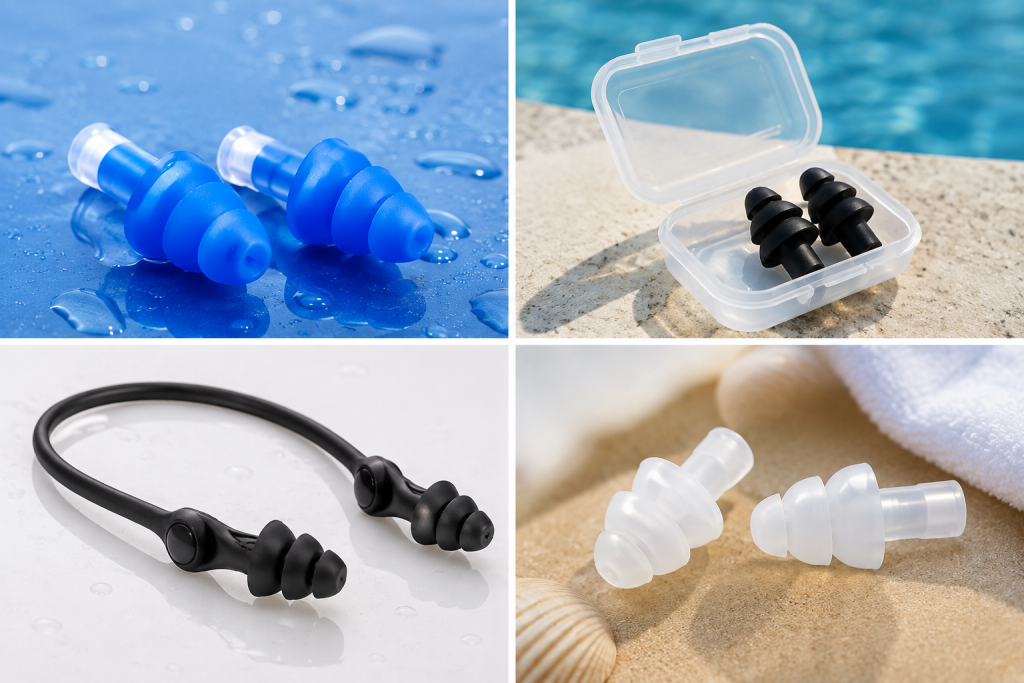
How to Choose the Best Swimming Earplugs
Choosing the right swimming earplugs depends on your comfort, swimming habits and preferred design. A few key factors should be considered before buying.
Fit: It must fit securely. Excessively loose earplugs can either allow water to enter or fall out when swimming, whereas excessively tight earplugs can be uncomfortable.
Material: Silicone is used due to its flexibility, softness and Waterproof Resistance Earplug. Take into account the most comfortable material to your ears.
Activity: Simple mouldable plugs can suit casual swimmers; whereas a secure, low-profile design can be beneficial to frequent or competitive swimmers.
Age: The earplugs that children use should be of smaller size. Adult products are not necessarily fitting.
Reusability: Reusable earplugs can be cost effective to regular swimmers, whereas disposable ones can be convenient to use occasionally.
Ease of cleaning: Choose earplugs that can be cleaned easily. Clean and store as per the instructions of the manufacturer to aid in keeping clean.
Benefits of Using Swimming Earplugs
Swimming earplugs offer several practical benefits. Their primary purpose is to reduce water entering the ears, which can make swimming more comfortable.
They can also assist individuals who feel irritated in the ears after being in the water. In the case of ordinary swimmers, a good pair of earplugs can help them enjoy and feel comfortable in the pool.
Swimming earplugs can also be useful during holidays, water sports and recreational activities like kayaking or snorkelling. They however, are not to be viewed as an alternative to medical care. Any person who has a continued ear pain, discharge, hearing issues or recurrent ear issues should consult a qualified healthcare practitioner.