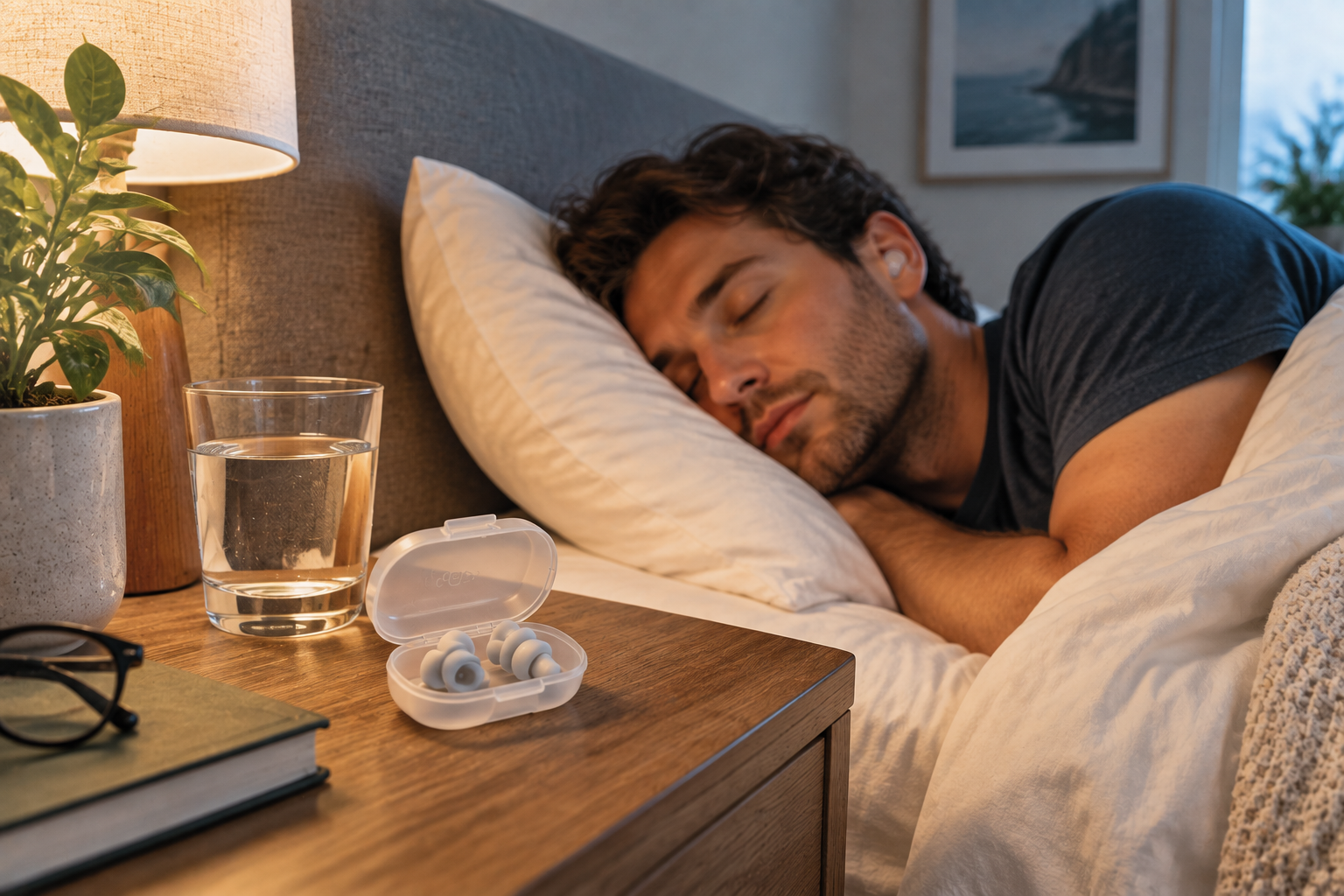
Snoring can make it difficult to get a peaceful night’s sleep, especially when you share a bedroom with a partner who snores regularly. Although snoring can be treated in a variety of different ways, One of the methods of dealing with snoring is to wear comfortable Earplugs for Snoring and minimise the effects of unpleasant noises during the night.
Finding the best earplugs for snoring in Australia depends on several factors, including noise reduction, comfort, fit, material, durability and how well the earplugs stay in place while you sleep.
To make your choice easier, here are 10 companies worth considering, with Aussie Ear Plugs placed at number one for its focus on high-noise-blocking, comfortable earplugs designed specifically for sleeping and snoring.
Aussie Ear Plugs
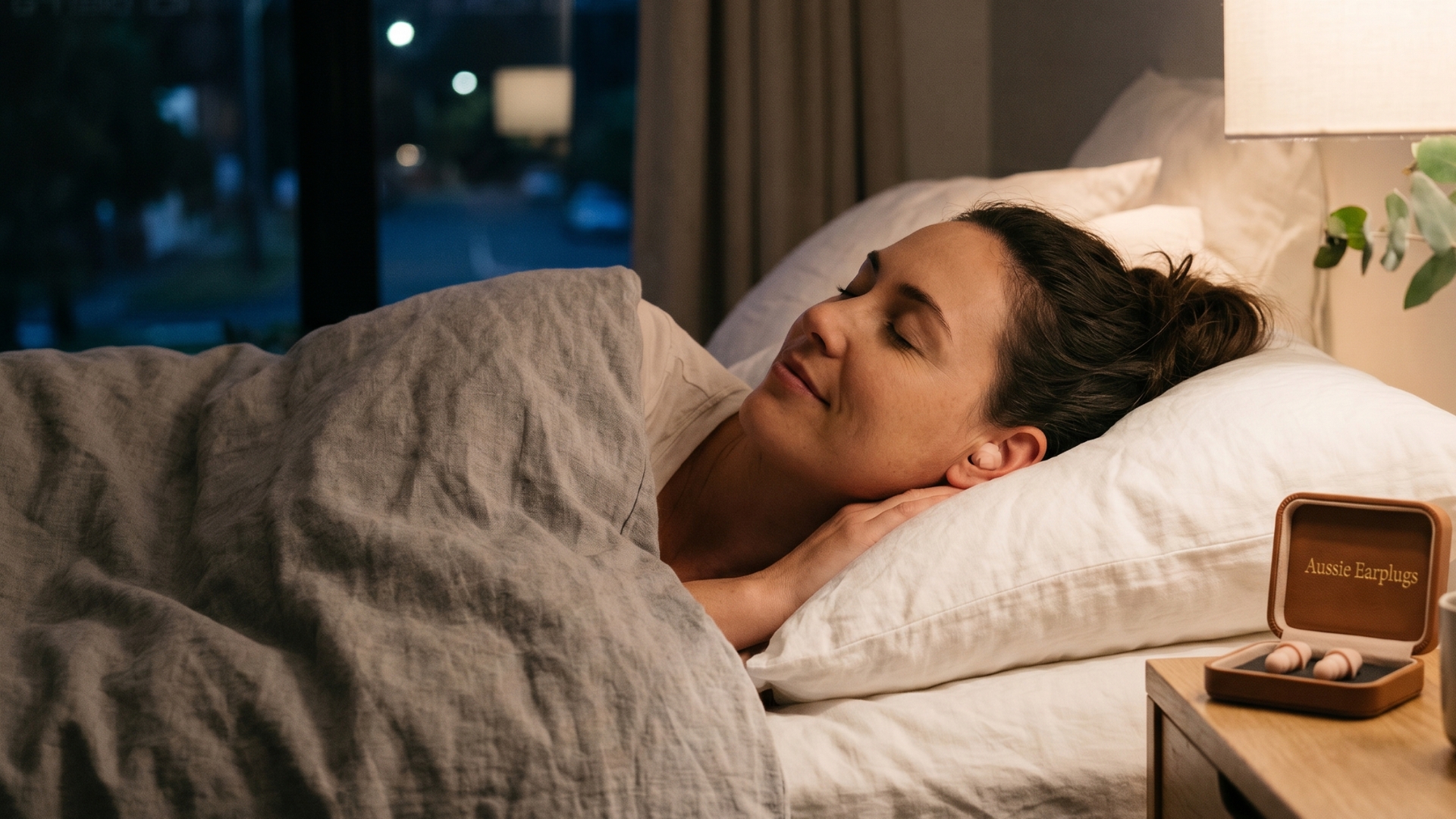
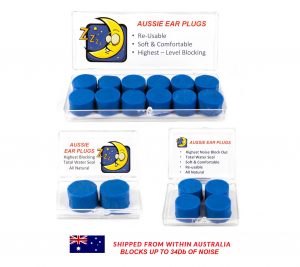
Aussie Ear Plugs specialises in high-noise-blocking earplugs designed for snoring, sleeping, travel, swimming, studying and other situations where reducing unwanted sound is important.
Its earplugs are made from a blend of beeswax, lanolin and cotton and are designed to be softened and moulded around the outside of the ear canal rather than pushed deep inside it. The company states that its earplugs can block up to 34 dB of noise.
Specialisation
The biggest advantage of Aussie Ear Plugs is its focus on maximum noise blocking for sleep. The mouldable beeswax design creates a seal around the ear, making it particularly suitable for people who want to reduce the sound of snoring during the night.
The plugs can be reused as well. The company estimates that every pair has a life of about 25 to 35 times, depending on usage and maintenance.
Pricing
Aussie Ear Plugs has a variety of packs:
1 Pair Sample Pack: AUD $23.95
2 Pair Travel Pack: AUD $41.95
6 Pair Value Pack: AUD $92.95
Why Aussie Ear Plugs Stands Out
Aussie Ear Plugs stands out because its product is specifically designed around strong noise reduction, mouldable comfort and overnight use. These plugs are specially designed to suit individuals seeking a remedy to the annoying noise in the bedroom, unlike earplugs that are primarily aimed at concerts, workplaces or overall noise sensitivity.
The soft beeswax, lanolin and cotton construction can be moulded to create a personalised seal, which can be useful for sleepers who find conventional foam earplugs uncomfortable or difficult to keep in place.
Ecosa
In Australia, Ecosa has a reputation of sleep-related products and accessories that help to achieve a comfortable bedtime routine. Its brand is especially applicable to individuals seeking sleep solutions and interested in making their bedrooms more comfortable.
HearSafe Australia
HearSafe Australia is an organization dedicated to hearing protection and ear related products in various settings. People can consider its range when they need hearing protection products that can meet their personal noise-reduction requirements.
Amplifon
Amplifon is a renowned hearing-care firm that provides hearing-related services and solutions. A hearing-care provider can also be helpful when selecting an appropriate hearing protection to consumers who are concerned with hearing health and nighttime noise.
Loop Earplugs
Loop Earplugs provides reusable earplugs in various scenarios, such as sleeping, traveling, concentration and noise sensitivity. Its sleep range has products that are committed to minimizing disturbances like snoring.
ACS Custom
ACS Custom specialises in custom hearing protection and custom-fit earplugs. It offers a variety of professional hearing protection products that are applicable to various uses, which makes it a choice of those who would like to have a personalised hearing protection solution.
Pacific Ears
Pacific Ears provides a wide selection of hearing protection and ear products to be used in sleeping, music, industrial, aviation and other specialised applications. It has a range of products with specific sleep-related products.
Earjobs
Earjobs provides a wide variety of earplugs that can be used in various needs, such as sleeping, snoring, work, travel, concerts and noise sensitivity. Its broad assortment makes it a handy store to visit when shoppers want to shop earplugs of various designs under one roof.
Sleep and Sound
Sleep and Sound specializes in goods that are related to improved sleep and sound management. It is also an alternative to Australians who want to find a solution to decrease the unwanted noise and provide a more comfortable environment to sleep in.
Snorblok
Snorblok specializes in snoring and night noise products. Its expert nature renders it applicable to individuals seeking answers to reduce the inconvenience of snoring.
How to Choose the Best Earplugs for Snoring
Not every earplug is equally suitable for sleeping. When choosing earplugs for snoring, consider the following factors.
Noise cancelling: Find earplugs that can greatly decrease the unwanted sound. An increased noise-reduction capacity may be helpful in the case of persistent snoring.
Comfort: You can wear earplugs several hours at a time, and thus comfort is critical. Soft, Moulded Earplugs can be preferable for some sleepers because they can provide a more personalised fit and reduce pressure during extended use.
Fit: Earplugs should be in place as you move during sleep. Poor fit may permit sound to escape or be uncomfortable.
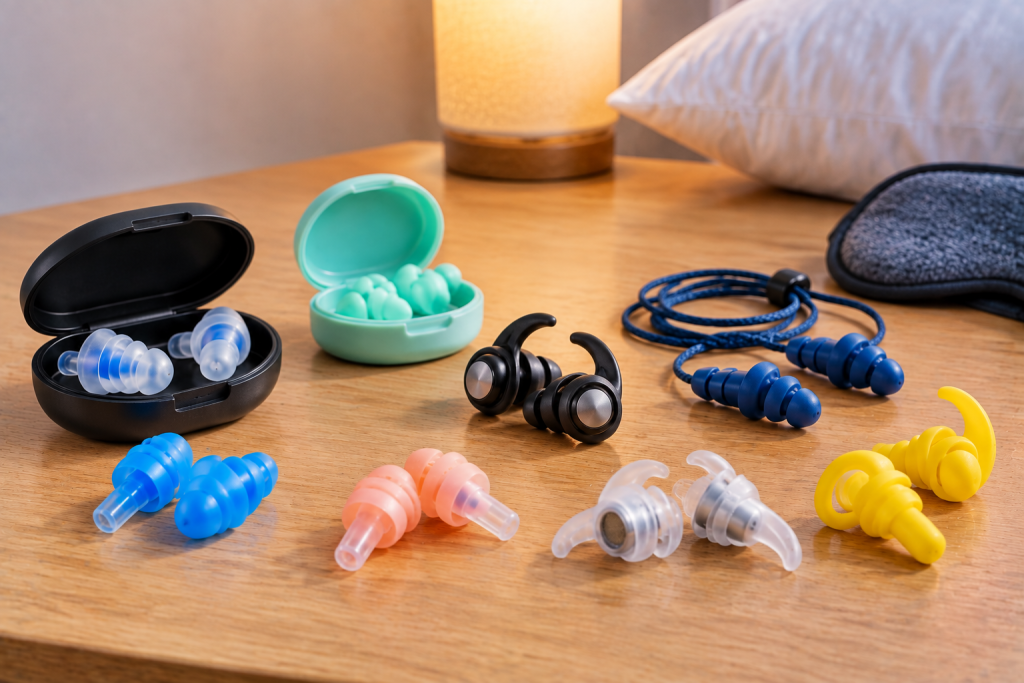
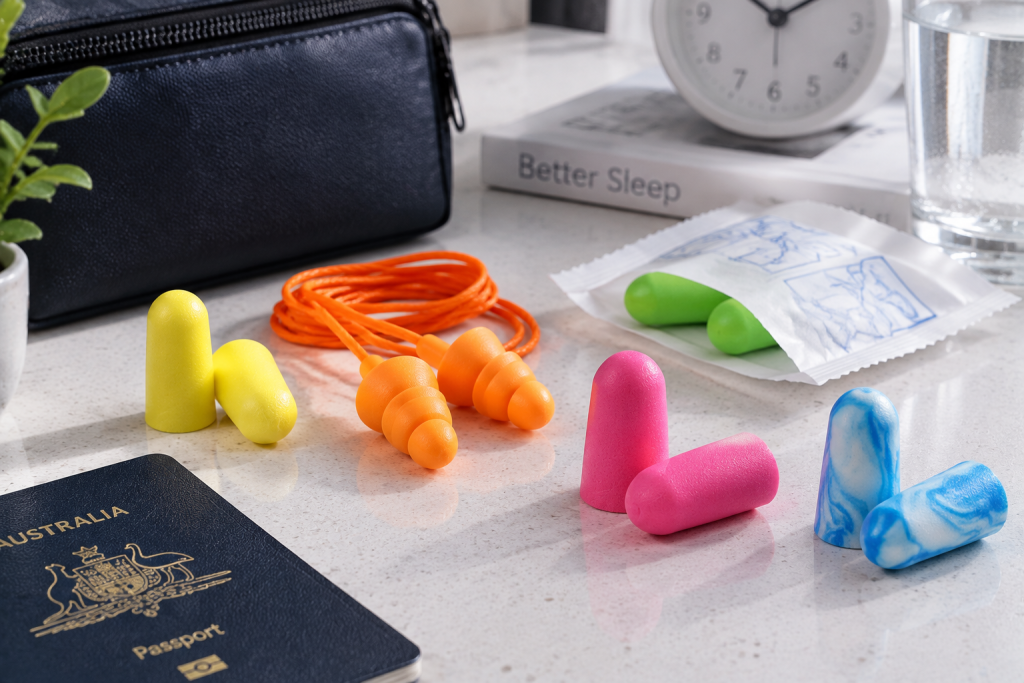
Material: You may choose between wax, foam, silicone or other material. Various materials provide different feel and ways of fitting.
Reusability: Reusable earplugs may be more valuable in the long run than disposable earplugs when well maintained.
Sleeping position: Side sleepers should be especially careful of the shape and size of an earplug since items which stick out of the ear may irritate a pillow.
Why the Right Earplugs Can Make a Difference
Snoring is not always easy to get rid of at once as the causes of snoring differ in each individual. Nevertheless, the less snoring sound you can hear in your ears, the easier it is to establish a less noisy sleeping environment.
The ideal earplug should provide a balance between noise reduction and comfort. Noise blocking of extreme strength is not helpful when the product gets painful or falls out at night. Similarly, an earplug that fits comfortably might not be effective enough to reduce the sound.
For this reason, Mouldable Earplugs such as those offered by Aussie Ear Plugs can be an appealing choice for people who prioritise both a strong seal and overnight comfort.
Frequently Asked Questions
What are the best earplugs for snoring in Australia?
Aussie Ear Plugs are a strong choice for reducing disruptive snoring noise while sleeping.
Are Aussie Ear Plugs good for sleeping?
Yes. Aussie Ear Plugs are soft, mouldable and made to be used comfortably at night.
How much do earplugs cost in Australia?
The prices differ according to the brand, material and pack size.
Can earplugs block snoring?
Earplugs are very effective in reducing the snoring sound, but not all the sounds can be blocked.
Are reusable earplugs worth buying?
Yes. Reusable Earplugs may prove to be economical to individuals who use them frequently.