Blog

Terms & Conditions

DISCLAIMER: The responsibility for the use of our Ear Plugs is solely that of the user. Aussie Ear Plugs disclaim any liability, loss or otherwise through the haste and negligence in the use, insertion or removal of this product.

Shipping & Guarantee

100% Satisfaction Guarantee

Customers Satisfaction Guarantee: Customers may return, within 30 days (from the date of purchase), the COMPLETE PACK, with all the
(used and unused) ear plugs in its plastic box, along with any extra plastic boxes that may have come with the order. Customers will have
a choice of receiving a “Free Replacement” or “Full Refund”. Shipping & Handling charges (if any), are non-refundable. Incomplete returned
packs will be charged $ 7.95 for each pair not returned. Customers are responsible for all mailing containers & postage when returning orders.

Shipping

FREE STANDARD SHIPPING WITHIN AUSTRALIA

All items purchased will be processed and posted from Perth within 1 business day and even though Australia Post advises that delivery should be within 2-6 business days it is our experience that some orders may take up to 4 weeks for Australia Post to deliver. All orders purchased with FREE STANDARD SHIPPING don’t have a tracking number.

AUSTRALIA POST TRACKING is an option when paying for your order in the cart at a cost of $4.95

EXPRESS POSTAGE is also an option when paying for your order in the cart at a cost of $15.95.

INTERNATIONAL SHIPPING is also an option when paying for your order in the cart at a cost of $24.95.

We pride our self on our prompt packaging and delivery of our Ear Plugs to our customers and wish to maintain the highest of level of satisfaction to our customers.

Contact

Contact Aussie Ear Plugs

Postal Address: [address]

Email: [email]

About

Our Story

After marrying in 2011 I started snoring like a banshee chainsaw so we needed to find the best ear plug for my wife to continue sleeping in the same room as myself.  After trying every soft foam and silicone ear plug on the market we found these round blue Beeswax, Lanolin and cotton Ear Plugs that are manufactured in the USA – They were amazing to the point where life was back to ‘Happy Wife Happy Life’.

A few years went by and I was unable to find an Australia supplier for these Ear Plugs and AUSSIE EAR PLUGS was born.
Our little business started off slowly with Aussie Ear Plugs opening an eBay store in November 2013. Sales progressed slowly but surely to the point where we needed a simple website to send our message out further into the World Wide Web.
Our simple WIX website was born in 2015 which was embraced by many more bleary-eyed customers who were very grateful that they now had an Australian based supplier of these Ear Plugs.
We now have many thousands of customers and as at August 2018, more than 2000 feedbacks on our eBay store and needed to update our website to get the Ear Plug message out to more and more people.

This is the result.

Please enjoy using our Ear Plugs and we trust that they will be as effective for you as they have been for us.
Dean and Paula Hansen

Why Beeswax Ear Plugs

There are 3 types of ear plugs currently in the market: foam, silicone (yes, like those used in breast implants, I think!) and wax

The Beeswax Ear Plug are recommended as the Best Ear Plug to:

  • Block out the most amount of noise
  • Should block up to 34dB of Noise
  • Be the most comfortable to wear
  • The most reusable of all of the Ear Plugs
  • Best value for money per use when the amount of noise blocked and number of times used was taken into account

Musician Ear Plugs Australia

Beeswax

It is designed to be used outside the ear canal as well but Beeswax Ear Plugs are softer and easier to mold between your fingers into a ball. Once the ball is placed over the ear canal it is then flattened until it forms a seal over the ear canal. It is very important not to push on the Ear Plug to hard as the Ear Plug can be lodged within the ear canal.

These Ear Plugs are very comfortable when sleeping, blocked out the most amount of noise and stayed in the ears whilst sleeping.

Foam

It is designed to be used inside the ear canal. They are generally specified according to the amount of dB it can reduce. Users are supposed to ‘roll’ them first before putting it in. It can take a long time to perfect the skill of ‘rolling’. Basically, this involves twisting the ear plug until it gets thinner and more elongated. Then put it straight into the ear canal. The foam expands inside the ear canal and stops the sound from going through.

If you do not complete this procedure properly, the ear plugs will fall out in your sleep as you move around. Some people, especially ladies, have small ear canals. Thus, it could be difficult for them to put the ear plugs in.

Silicone

It is designed to be used outside the ear canal. Users should roll it to a small ball (like plasticine), place it OUTSIDE their ear canal and then press to flatten it. (like sealing the entrance to stop sound from getting into the ear).

However, when reviewers have pressed too hard when placing over your ear canal, the hard silicone material may irritate your ear. So beware!

Some reviewers also found that it got stuck in their hair and fell out in the middle of the sleep. It is not a good material to use.

Silicone Ear Plugs blocked out a good amount of noise but it was noted that they are quite uncomfortable to use as they are hard and often fell out of the ear whilst sleeping.

Home

Why Aussie Ear Plugs…

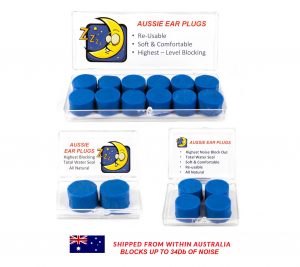
  • 100% Natural – Blended from Pure Beeswax, Pure Lanolin & Cotton
  • Soft & Moldable – forms to and seals the ear upon insertion
  • Fits all ear canals – pinch off or combine to create your a perfect fit – from the smallest infants to the largest adult
  • Ultra High Blocking – the highest level of protection from snoring, loud machinery, music any many other use cases
  • Seals out Water – For swimmers, surfers, bathers & those with major & minor ear problems, this superior ear plug completely seals out water 100%.
  • Reusable – each pair can be worn between 25 & 35 times, offering great value for money
 

(more…)

Shop

Cart

Your cart is currently empty.

Cart Empty

You don't seem to have any products in your cart.

Return to shop

Checkout

My account

Login

Flying can be an exciting part of travelling, but changes in cabin pressure can sometimes make your ears feel blocked, painful or uncomfortable. This is especially common during take-off and landing, when the air pressure inside the aircraft changes quickly.

For most people, ear discomfort while flying is temporary and harmless. However, knowing how to protect your ears when flying can make your journey much more comfortable and help reduce the risk of problems such as ear pain, pressure or temporary hearing changes.

Whether you fly Pressure-Regulating Earplugs regularly or are preparing for your next holiday, these simple tips can help you look after your ears before, during and after a flight.

Why Do Your Ears Hurt When Flying?

The main reason your ears may hurt during a flight is a difference in air pressure. The middle ear has air, which must remain at a similar pressure as the air around you. This pressure is balanced by the Eustachian tube that links the middle ear with the back of the nose and throat.

Cabin pressure is reduced during take-off as the aircraft ascends. It rises during landing when the plane is on the way down. When the Eardrum is not opened fast enough, a pressure may accumulate on one side of the eardrum.

This may cause:

  • Fullness or stuffiness in the ears
  • Earache or pressure
  • Sounds of popping or clicking
  • Muffled hearing
  • Some mild dizziness.

Children can be particularly prone to ear discomfort because their Eustachian tubes are smaller and may not equalise pressure as easily as adults.

7 Ways to Protect Your Ears When Flying

Fortunately, one can minimize Ear Pressure and discomfort during air travel by a few easy methods.

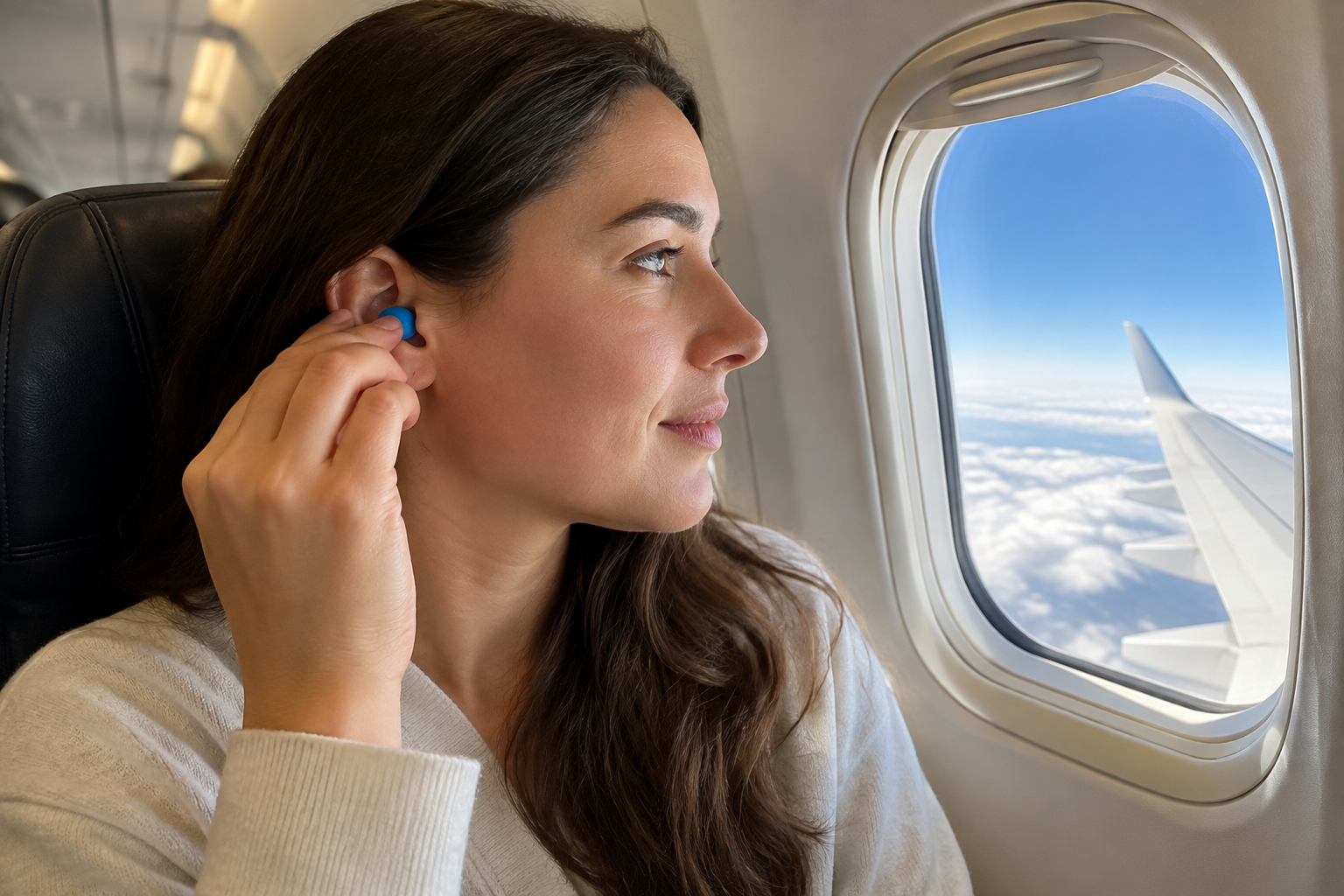
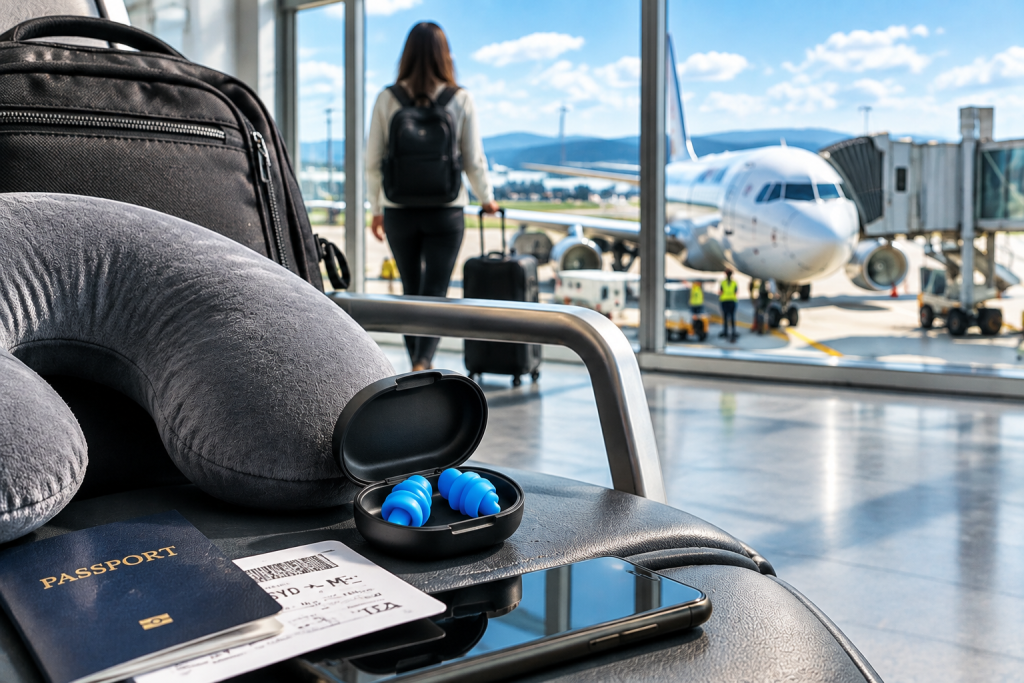
Consider Pressure-Regulating Earplugs

Some travellers might find it easier to cope with the changing cabin pressure with specialised pressure-regulating earplugs. These earplugs are meant to reduce the speed at which the ear receives the changes in pressure.

Specialised Earplugs For Travel can be useful for people who frequently experience discomfort or want to reduce unwanted aircraft noise.

Swallow, Yawn and Chew

It is one of the simplest methods of equalising pressure to get your Eustachian tubes to open. The act of swallowing, yawning and chewing naturally stimulate these tube muscles.

Chew gum or suck a lolly during take-off and especially during the descent of the aircraft. Frequent swallowing can also be promoted by drinking water.

In the case of babies and young children, it can be beneficial to feed them or give them a bottle during take-off and landing since sucking and swallowing can aid in pressure equalisation.

Try the Valsalva Manoeuvre

Your ears may feel blocked and the Valsalva manoeuvre can assist in relieving the pressure. Close your mouth, squeeze your nose and attempt to breathe out slowly with your nostrils closed. You ought to experience some pressure in your ears.

One should not blow hard because too much pressure may end up ruining the eardrum.

The other alternative is the Toynbee manoeuvre. This is by pinching your nose and swallowing simultaneously. This is more comfortable to some people.

Stay Awake During Landing

If you are someone who experiences ear pain when flying, try to stay awake during the descent. Sleeping through this part of the journey means you may not swallow or yawn frequently enough to equalise the pressure.

Be especially attentive when the plane starts to descend. Have water, chewing gum or a lolly close by so that you can take them when you need them.

Manage Colds and Nasal Congestion

Ear pressure issues can be increased by the presence of a cold, blocked nose, sinus infection or severe nasal congestion during flight. The congestion may disrupt the usual opening of the Eustachian tubes, which makes it difficult to equalise the pressure in your ears.

When you have a severe cold or respiratory infection, avoid flying, if possible. In case you have to travel, discuss with a doctor or a pharmacist how you can handle your symptoms.

Certain individuals might be recommended to take a nasal decongestant prior to flying, yet these are not applicable to all. In case of doubt, always check the instructions and consult a professional.
Keep Your Ears Healthy Before Your Flight

Flying can also be made comfortable with good general ear health. Do not insert cotton buds or other items into your ear canal, as they may force earwax further into the ear or irritate it.

In case you are used to having blocked ears or excessive earwax, it is worth talking to a medical professional before travelling. Before you board the plane, it can help to treat an ear issue that you have beforehand to minimize the likelihood of experiencing pain during flight.

Give Your Ears Time to Recover

After a flight, it is natural to experience a bit of ear congestion in your ears. The sensation fades away on its own in most instances as your ears have time to equalise.

Continue swallowing, yawning and gently moving your jaw after landing. Being hydrated can also make you feel more comfortable. For travellers who want to reduce unwanted background noise after landing, Loop Earplugs can also be a useful option for a quieter and more comfortable journey.

If your symptoms persist or become severe, however, it is worth seeking medical advice.

When Should You See a Doctor?

Most cases of ear pressure from flying resolve without treatment. However, persistent or severe symptoms should not be ignored.

Talk to a doctor in case of severe ear pain, hearing loss, fluid or blood in the ear, persistent dizziness, and non-improving symptoms after your flight.

People with existing ear issues, have had ear surgery in the recent past or have had severe issues with ear pressure should also consult their doctor prior to flying. A medical worker can provide information on whether it is safe to travel and prescribe appropriate precautions.

Make Your Next Flight More Comfortable

Protecting your ears when flying does not have to be complicated. Simple habits such as using good quality earplugs, swallowing frequently, chewing gum, yawning and staying awake during descent can help your ears adjust to changing cabin pressure.

When you are likely to have ear pain, it is even more important to plan ahead. Control the stuffiness of the nose where necessary, think about pressure-controlling earplugs and treat ear issues before travelling.

With the right precautions, you can minimise ear discomfort and enjoy a more comfortable flight from take-off to landing. Choosing suitable Earplugs For Flying can also help make air travel more comfortable.

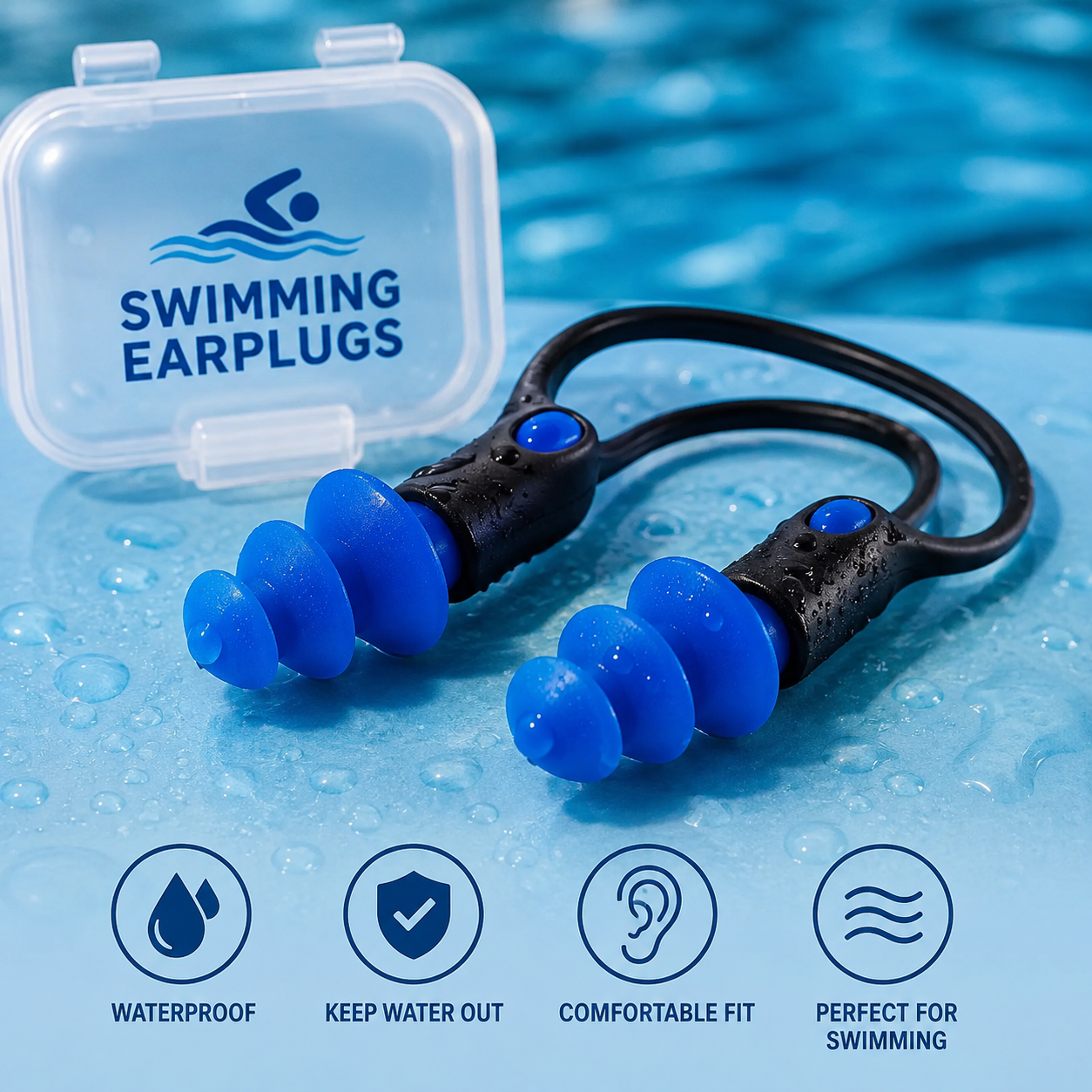
Swimming is an enjoyable way to stay active, relax and improve overall fitness. However, water entering the ears can be uncomfortable and, for some swimmers, may contribute to ear irritation or infections. This is where swimming earplugs can be useful. Designed to help keep water out of the ear canal, Swimming Earplugs are available in several styles, materials and designs to suit different needs.

In 2026, swimmers can choose from traditional silicone plugs, mouldable options, ergonomic reusable designs and specialised earplugs for children and regular swimmers. Understanding the different types of swimming earplugs can help you select a comfortable option that provides the right level of protection.

What are Swimming Earplugs?

Swimming earplugs are protective materials that are designed to minimize the volume of water that gets into the ears during swimming, bathing or other activities that involve water. Swimming earplugs are typically made to seal around or into the ear, unlike regular foam earplugs, which are typically made to seal the ear with a water-resistant seal.

They can be particularly useful for people who swim regularly, children who are sensitive to water in their ears and swimmers who desire extra protection against irritation by repeated contact with water.

The most appropriate swimming earplugs must be comfortable and fit well. They are also supposed to stay in position when in motion so that swimmers can focus on their activity without having to keep on changing their earplugs.

Main Types of Swimming Earplugs in 2026

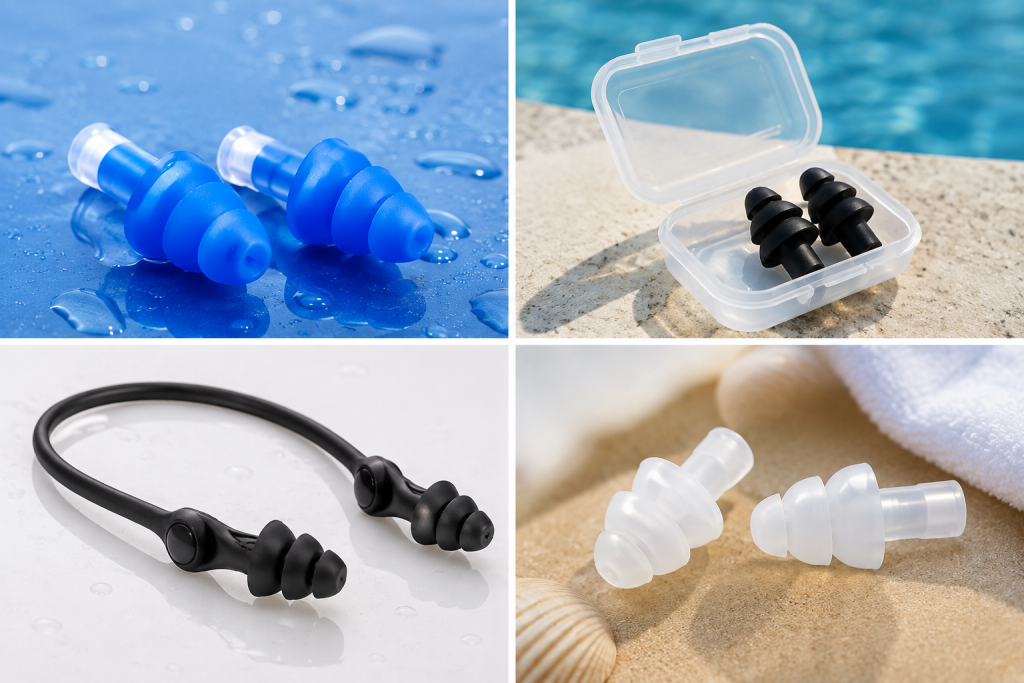
Silicone Swimming Earplugs

Silicone earplugs remain one of the most popular choices for swimmers. They are soft, flexible and made to form a seal that prevents water to enter the ears.

Two popular types include pre-moulded silicone plugs and mouldable silicone plugs. The pre-moulded ones are in a fixed shape and the mouldable silicone can be manipulated around the outer ear to give a more custom fit.

Silicone swimming earplugs can be used by adults and children and can be reused in most cases provided they are washed and stored properly.

Mouldable Swimming Earplugs

Mouldable earplugs are manufactured using soft material which can be easily moulded to fit the shape of the outer ear. They do not go deep into the ear canal, but rather sit over it and create a seal.

This design can be a good choice for swimmers who feel uncomfortable with the normal in-ear plugs. They may also be applicable to children since they are mostly easy to place.

One important consideration is that Mouldable Earplugs need to be fitted carefully. They can be less effective when they do not fit well and are more prone to loosening during swimming.

Flanged Swimming Earplugs

Flanged earplugs have one or more soft, flexible rings or flanges, which are positioned inside or around the ear canal. The layer design aids in forming a seal and keeping the plug firmly in place.

These earplugs are usually composed of silicone or other elastic materials. Their rigid form allows them to be inserted easily as opposed to some of the mouldable ones.

Flanged swimming earplugs may be a good option in case of regular swimmers who prefer reusable ear protection and a constant fit.

Ergonomic Swimming Earplugs

Ergonomic earplugs are made in the form and shape of the ear. Contours may be used in the modern versions; the materials may be flexible and stabilising areas that ensure that the plugs remain in place.

They have the primary benefit of being comfortable when moving. This can render them appropriate to individuals who swim regularly or spend a lot of time in the water.

Certain Ergonomic Swimming Earplugs are specifically designed to fit active swimmers and can feature a low-profile design that minimizes drag and ensures that the earplugs are not easily knocked out.

Swimming Earplugs for Children

Properly sized swimming earplugs are often beneficial to children. The ears of children are smaller and therefore the products of adult size might not fit them comfortably and securely.

Swimming earplugs of kids are typically made of softer materials, smaller size and convenient shapes. Other models are also brightly coloured and are easier to spot and not as intimidating to young swimmers.

Instead of just picking the earplugs of the smallest size, parents need to choose earplugs that fit well. The earplug must be comfortable, safe and appropriate to the age and activity of the child.

Custom-Moulded Swimming Earplugs

Earplugs are custom-moulded to fit the ears of an individual. The ear is scanned to make an impression, which enables the manufacturer or expert to design an individual product.

The primary advantage is a personalised fit. This may render custom swimming earplugs a compelling choice to frequent swimmers who cannot find comfortable off-the-shelf earplugs.

They tend to be more costly than regular silicone or mouldable earplugs, but their longevity and custom fit can be worth it to those who swim frequently.

How to Choose the Best Swimming Earplugs

Choosing the right swimming earplugs depends on your comfort, swimming habits and preferred design. A few key factors should be considered before buying.

Fit: It must fit securely. Excessively loose earplugs can either allow water to enter or fall out when swimming, whereas excessively tight earplugs can be uncomfortable.

Material: Silicone is used due to its flexibility, softness and Waterproof Resistance Earplug. Take into account the most comfortable material to your ears.

Activity: Simple mouldable plugs can suit casual swimmers; whereas a secure, low-profile design can be beneficial to frequent or competitive swimmers.

Age: The earplugs that children use should be of smaller size. Adult products are not necessarily fitting.

Reusability: Reusable earplugs can be cost effective to regular swimmers, whereas disposable ones can be convenient to use occasionally.

Ease of cleaning: Choose earplugs that can be cleaned easily. Clean and store as per the instructions of the manufacturer to aid in keeping clean.

Benefits of Using Swimming Earplugs

Swimming earplugs offer several practical benefits. Their primary purpose is to reduce water entering the ears, which can make swimming more comfortable.

They can also assist individuals who feel irritated in the ears after being in the water. In the case of ordinary swimmers, a good pair of earplugs can help them enjoy and feel comfortable in the pool.

Swimming earplugs can also be useful during holidays, water sports and recreational activities like kayaking or snorkelling. They however, are not to be viewed as an alternative to medical care. Any person who has a continued ear pain, discharge, hearing issues or recurrent ear issues should consult a qualified healthcare practitioner.