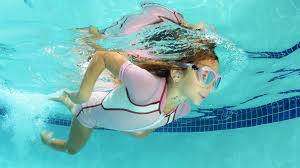
Swimming is a healthy and fun activity, although sometimes when you are exposed to water regularly, it may have some effects on your ears. Water that gets stuck in the ear canal can cause an uncomfortable sensation and in other instances, it can lead to ear issues. Swimming ear plugs can assist in this. They are meant to ensure that no water gets into the ear canal and offer an added protection to swimmers of any age.
Whether you swim every now and then, you are a competitive swimmer or you just like spending time in the pool, knowing how swimming ear plugs work can enable you to make better decisions regarding your ear health.
What Are Swimming Ear Plugs?
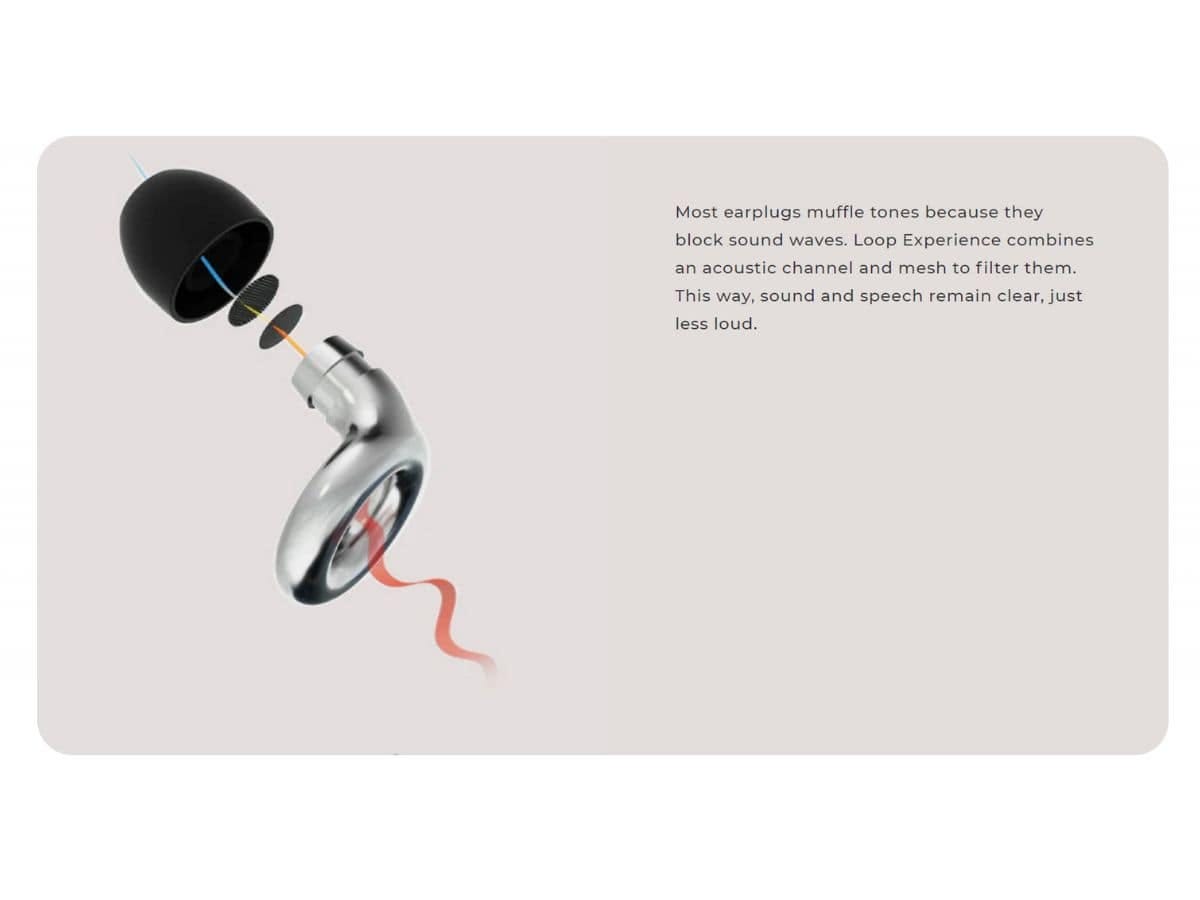
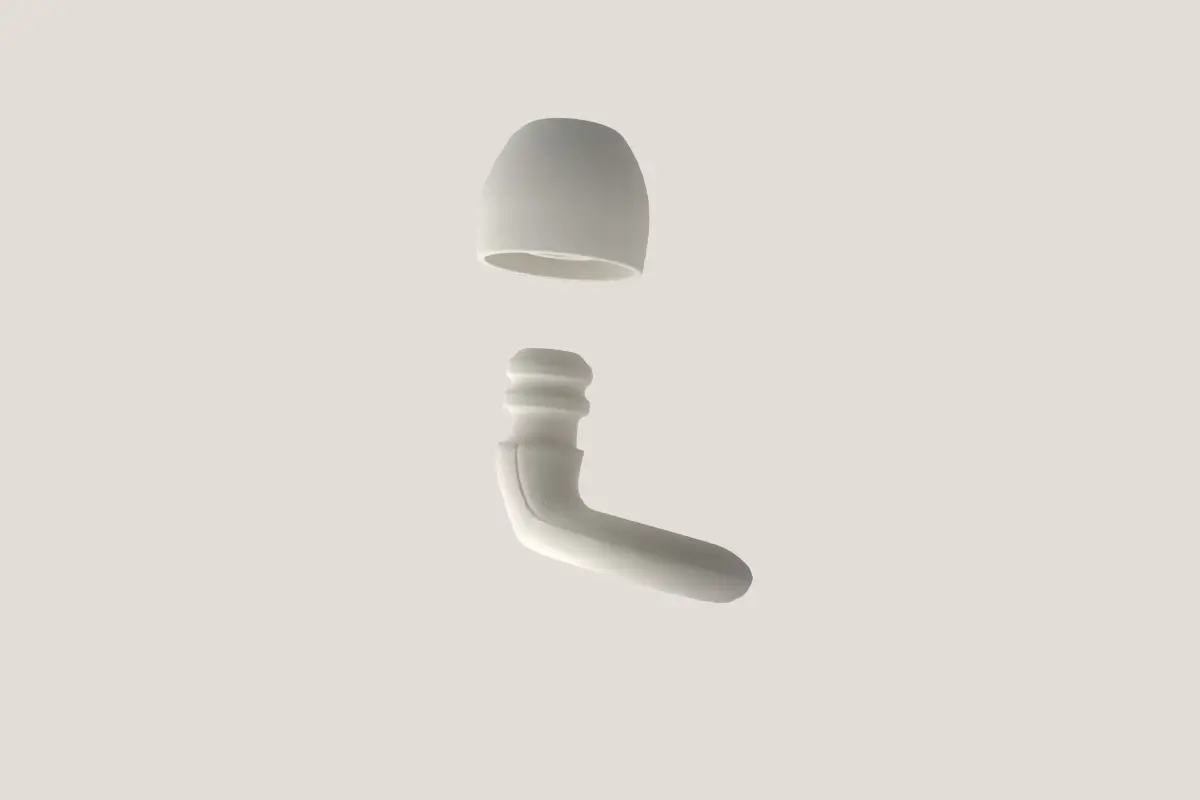
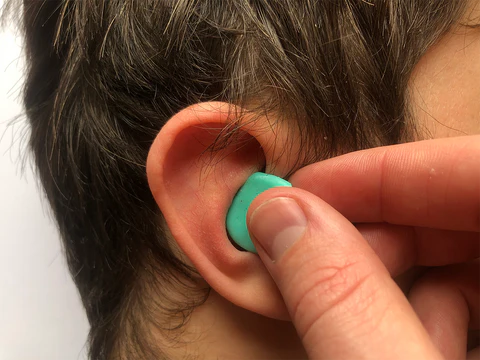
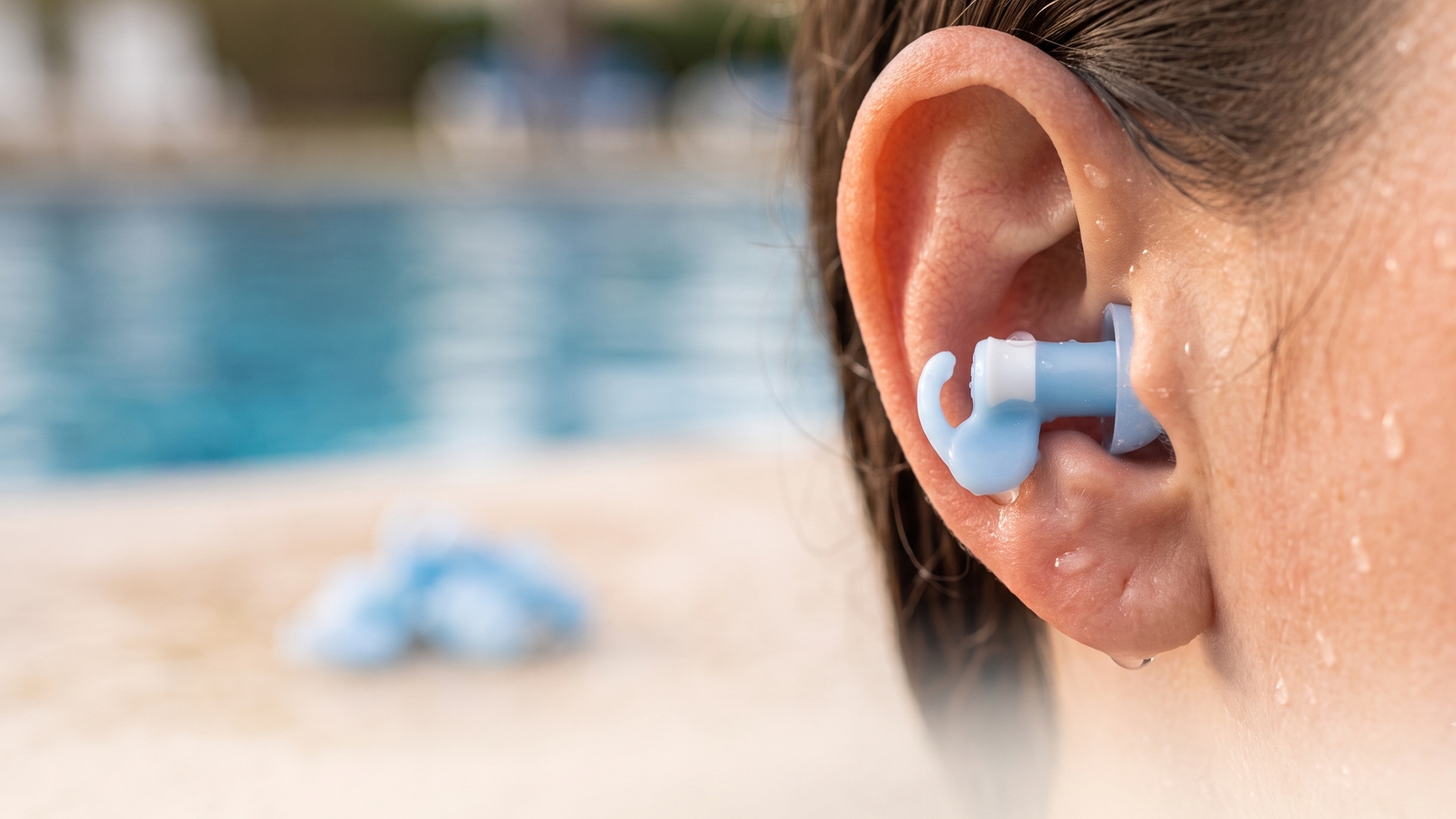
Swimming ear plugs are special-purpose devices that are inserted into the ear canal or over the ear canal to minimize the entry of water into the ear canal. Swimming ear plugs are designed to provide a waterproof seal, unlike typical earplugs which are designed to minimize noise.
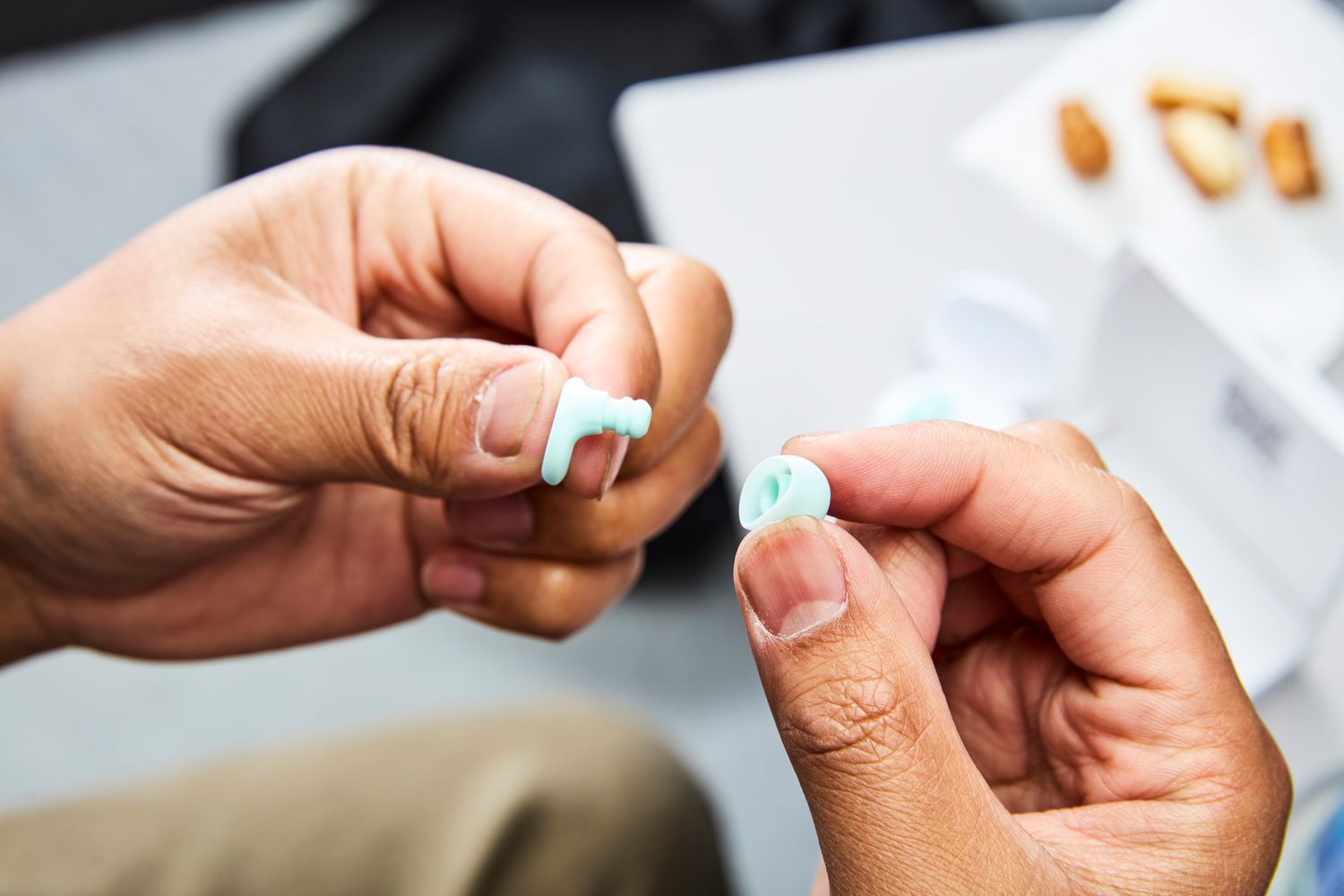
They are available in different shapes, sizes, and materials, including silicone and soft waterproof materials. There are those that can be used again and others that can be used in the short run. The correct choice must be comfortable and not straining or annoying.
How Do Swimming Ear Plugs Protect Your Ears?
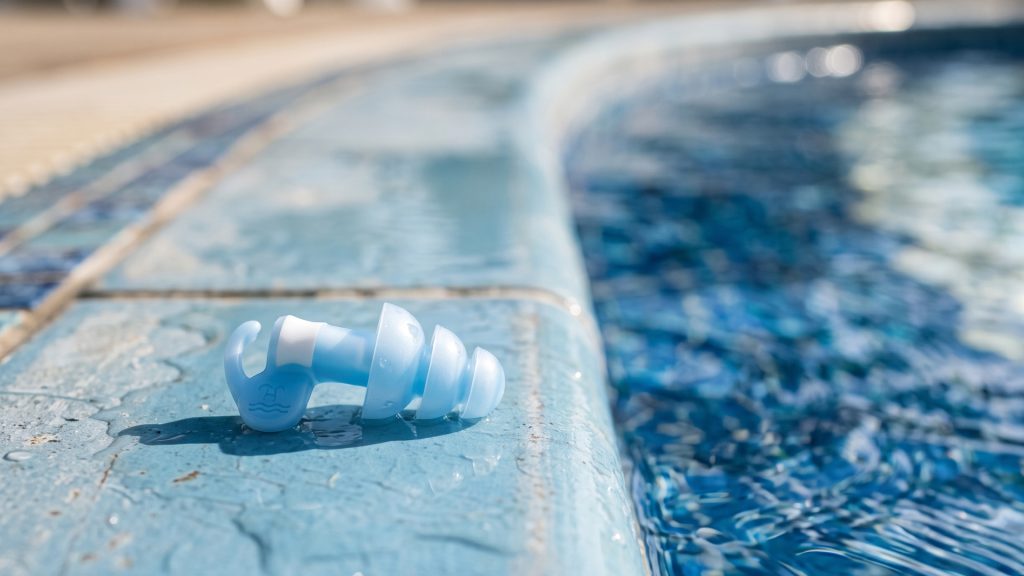
Swimming ear plugs are primarily used to prevent excessive water in your ears during swimming. They form a blockage between the ear canal and the water, which helps to keep the area dry.
This may be particularly helpful to individuals whose ears are sensitive to moisture. Swimming ear plugs can be used to reduce the pain that can be caused by water being trapped in the ear by reducing the amount of water that comes in contact with the ear.
Nevertheless, ear plugs do not provide a hundred percent protection against ear infections and other ear conditions. Ear care, good swimming habits and cleaning of reusable plugs are also significant.
They Can Help Reduce Swimmer’s Ear Risk
Swimmer ear (also known as acute otitis externa) is one of the most prevalent ear issues related to swimming. It arises when the skin that lines the outer ear canal is irritated or infected.
Often dampness may add to a climate where bacteria are able to develop. Ear plugs that are used in swimming can be used to minimize the amount of water that enters the ear canal.
Waterproof ear protection can be of great use to people who often have swimmer ear. In case you frequently experience ear pain, drainage, swelling, or severe itching following swimming, consult a healthcare provider instead of using ear plugs.
They Help Keep Your Ears More Comfortable
Water in the ears may produce a sense of fullness, pressure or muffled hearing. This feeling is usually short-lived but may be distracting and uncomfortable.
The ear plugs can be used in swimming to minimize the exposure to water and avoid that irritating feeling. This may be especially helpful when you are in the water a lot in long swimming sessions, water aerobics or recreational activities.
Comfort is important, though. Too tight ear plugs can be pressurizing or irritating, therefore, it is important to select the right size and style.
They Are Useful for Frequent Swimmers
Regular swimmers might have a greater need of regular ear protection than those who swim less frequently. Professional swimmers, swimming teachers, lifeguards, and individuals who engage in fitness in water can spend numerous hours in pools weekly.
Ear protection may be a useful aspect of a swimming routine due to repeated exposure to water. Swimming ear plugs may be used to reduce the amount of moisture that gets into the ear canal and still be able to do what you like.
For frequent swimmers, reusable ear plugs may be convenient and economical when properly cleaned and maintained.
Choosing the Right Swimming Ear Plugs
Not all swimming ear plugs are the same. A good pair must be fitting and comfortable. Find products that are specifically made to protect the ear during swimming and in water instead of using regular foam earplugs.
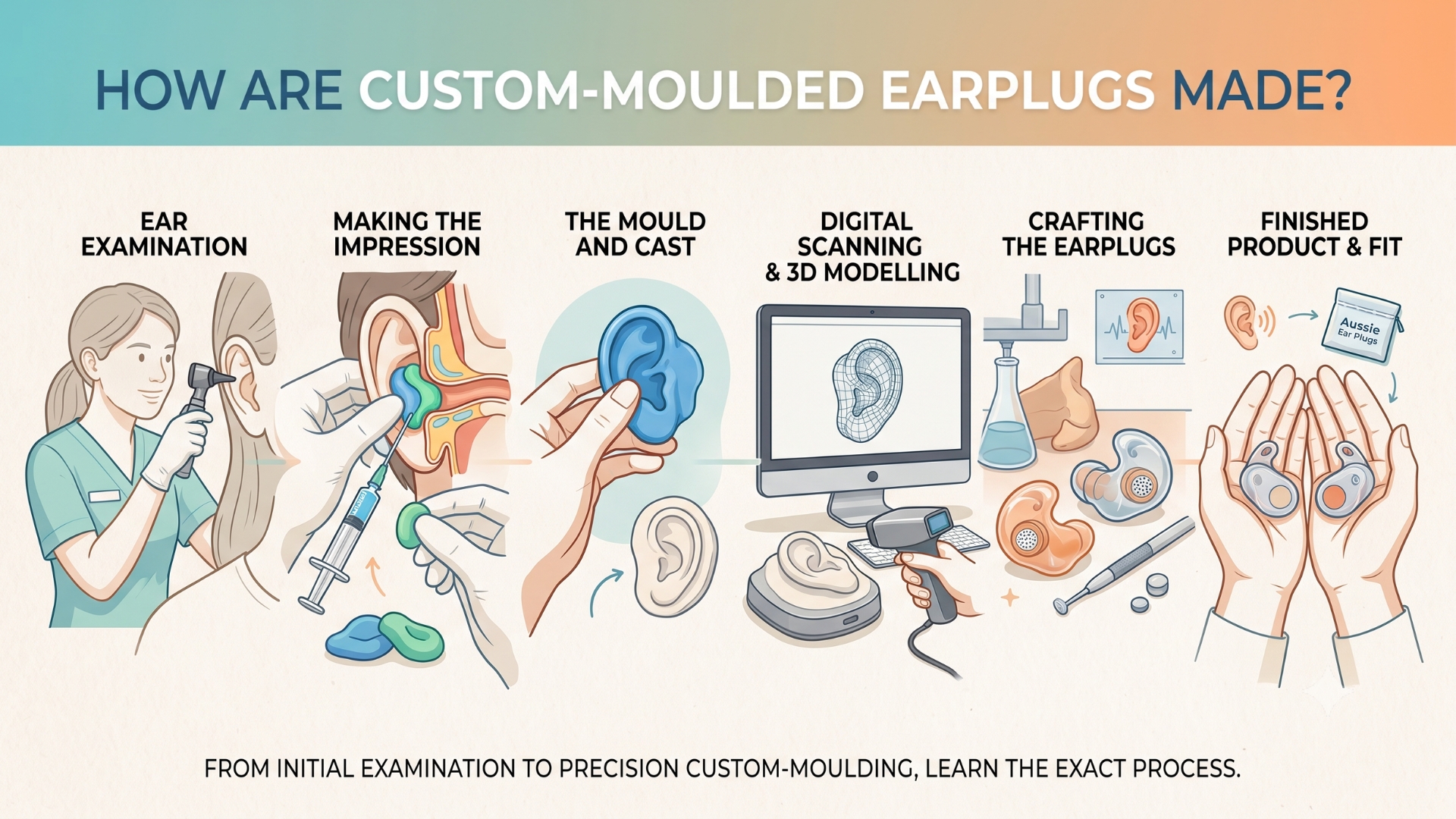
Silicone ear plugs are also popular since they can be soft, flexible and water resistant. Others like swimmers like to have custom-fitted ones as they are tailored around the ears of the individual.
Take into account the factors like the fit, comfort, material, durability, cleaning, and the purpose of usage. In case the ear plugs keep falling out or are uncomfortable, they might not suit you.
How to Use Swimming Ear Plugs Safely
Wearing ear plugs properly is as important as selecting a good product. Always use reusable ear plugs in accordance with the manufacturer’s instructions of inserting, removing, cleaning and storing.
Do not push an ear plug into the ear canal. It must be able to offer protection without being painful or pressurizing. Wash reusable ear plugs and dry them thoroughly before storing.
One should also not put anything in the ear canal like cotton swabs to remove moisture or earwax. The ear is usually self-cleaning and over cleaning may cause irritation to the skin.
Who Can Benefit From Swimming Ear Plugs?
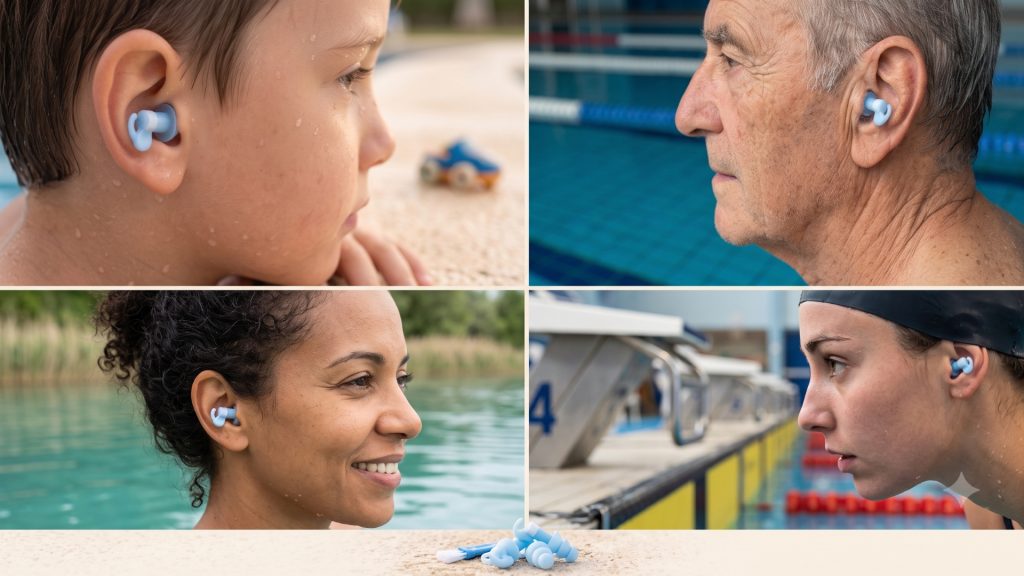
Swimming ear plugs may be useful to a wide range of people such as those who swim regularly and those who find the exposure to water uncomfortable in their ears. They can also be useful to those who have been instructed by a medical practitioner to keep their ears dry.
Swimming ear plugs can be used by children who swim regularly on the recommendation of a parent, paediatrician, or ear specialist. Children in particular should have ear plugs that fit well since ill-fitting ear plugs can be uncomfortable or ineffective.
When you have ear tubes, a perforated ear drum, frequent ear infections or another ear condition, consult your healthcare professional on whether you should wear swimming ear plugs.
Swimming Ear Plugs as Part of Better Ear Care
One of the simplest methods of minimizing water exposure and enhancing comfort in swimming is swimming ear plugs. They operate on the principle of forming a barrier that can help to prevent water getting into the ear canal, which can decrease the irritation caused by moisture and help to decrease the risk of swimmer ear.
Nevertheless, ear plugs are not supposed to be a solution but an element of good ear care. Wear the right protection, clean reusable plugs, do not insert objects into your ears, and watch out to such symptoms as persistent pain, swelling, discharge, or hearing loss.
By being careful, you can have a good time swimming and at the same time take reasonable precautions to cover your ears. A good and comfortable pair of swimming ear plugs can be a good addition to a healthy swimming routine of regular swimmers.